Medicare Benefits Schedule Optimisation & MyMedicare
Unlocking your potential to strengthen community-controlled health services

About the program
The Medicare Benefits Schedule (MBS) Optimisation Program is funded by the National Indigenous Australians Agency (NIAA) and delivered by NACCHO to support Aboriginal Community Controlled Health Organisations (ACCHOs) across Australia.
The program helps ACCHOs strengthen their understanding and use of the Medicare Benefits Schedule (MBS). By building staff knowledge and improving internal processes, services can ensure they are accurately claiming for the care they already provide.
Through this program, ACCHOs can unlock their potential to strengthen financial sustainability, support their workforce, and continue delivering high-quality, culturally safe care to their communities.


Why MBS Optimisation matters
MBS Optimisation helps services unlock their potential by strengthening how MBS works within everyday clinical and administrative processes.
This includes strengthening the systems that support everyday clinical and administrative work, such as:
- Clear and consistent clinical documentation
- Effective patient registration and front desk processes
- Accurate MBS billing and claiming practices
- Strong practice management systems
- Staff understanding of eligible services and item numbers
When these systems work well together, services can ensure the care already being delivered is properly captured and supported through MBS funding.
Stronger financial sustainability means ACCHOs can continue investing in workforce, programs and community services.
MBS Optimisation is everyone’s business
It requires a whole-of-service approach, where every role within the organisation contributes to effective MBS processes.
This includes:
- Board members
- Senior leadership and management
- Clinicians and health practitioners
- Practice managers
- Reception and administrative staff
From patient registration to clinical documentation and billing, each step plays a role in ensuring services are supported through MBS.
Together, we can master MBS and strengthen the sector.

In a nutshell
MBS Optimisation supports:
- Workforce confidence
- Strong patient journeys
- Long-term sustainability of community-controlled health services
Contact the NACCHO MBS Coordinator
A dedicated National MBS Coordinator is available to work directly with ACCHOs to provide support.
They will help services by:
- sharing updates on MBS policy changes
- answering MBS-related questions
- providing training and information sessions
- supporting improvements in clinic workflows
- connecting services with national resources

Access the MBS Hub
This hub has been developed as a central access point for all ACCHOs to strengthen capability and confidence in the Medicare Benefits Schedule (MBS) Optimisation. It brings together structured learning, practical tools, and ongoing education in one place to support consistent, accurate, and sustainable MBS practice across services.
MBS courses
The MBS online learning program provides structured training designed to build both foundational and advanced knowledge of MBS billing, claiming, and Medicare processes in an ACCHO context. The courses are accredited by three CPD providers, supporting ongoing professional development for eligible participants.
Learning Outcomes
ACCHOs Orientation
- ACCHOs Orientation
- Build a foundational knowledge base of ACCHOs in the primary health care sector and their differences from General Practice.
- Develop an in-depth knowledge of the National Aboriginal Community Controlled Health Organisation (NACCHO) and its role in advocating for and supporting ACCHOs.
- Understand the distribution and allocation of Medicare and Government health expenditure across different services for First Nations peoples
- Identify the individual roles of health professionals to provide a culturally appropriate service delivery model.
- Recognise the importance of partnerships and collaborations in enhancing the effectiveness and reach of ACCHOs.
- ACCHOs Orientation
- Medicare in ACCHOs
- Build a foundational knowledge base of Medicare and its associated elements, including HPOS & Incentives.
- Identify the suitable Medicare Benefit Schedule item numbers for integration into Aboriginal Holistic Care.
- Provide an explanation of the intended purpose of specific MBS item numbers, outlining the required elements for each.
- Implement a strategic approach to enhance overall MBS billings within the business.
- Practice Incentive Payments in ACCHOs
- Understand and identify the appropriate Practice Incentive Payments for integration into Aboriginal Holistic Care.
- Identify revenue-generating opportunities through billing and associated tasks, implementing direct improvements to enhance the financial viability of your ACCHO.
- Gain proficiency to systematically plan, execute, analyse, and adapt improvements through the PDSA cycle, fostering a culture of continuous improvement.
- ACCHOs National Key Performance Indicators
- Build foundational knowledge of the national Key Performance Indicators used to measure Aboriginal and Torres Strait Islander outcomes.
- Identify the current indicators used to track progress towards achieving the goals of the National Aboriginal and Torres Strait Islander Health Plan Implementation Plan.
- Utilise your understanding of inputting precise data into the designated software sections to guarantee accurate extraction for national reporting purposes.
Medicare in ACCHOs
- Build a foundational knowledge base of Medicare and its associated elements, including HPOS & Incentives.
- Identify the suitable Medicare Benefit Schedule item numbers for integration into Aboriginal Holistic Care.
- Provide an explanation of the intended purpose of specific MBS item numbers, outlining the required elements for each.
- Implement a strategic approach to enhance overall MBS billings within the business.
Practice Incentive Payments in ACCHOs
- Understand and identify the appropriate Practice Incentive Payments for integration into Aboriginal Holistic Care.
- Identify revenue-generating opportunities through billing and associated tasks, implementing direct improvements to enhance the financial viability of your ACCHO.
- Gain proficiency to systematically plan, execute, analyse, and adapt improvements through the PDSA cycle, fostering a culture of continuous improvement.
ACCHOs National Key Performance Indicators
- Build foundational knowledge of the national Key Performance Indicators used to measure Aboriginal and Torres Strait Islander outcomes.
- Identify the current indicators used to track progress towards achieving the goals of the National Aboriginal and Torres Strait Islander Health Plan Implementation Plan.
- Utilise your understanding of inputting precise data into the designated software sections to guarantee accurate extraction for national reporting purposes.
- Royal Australian College of General Practitioners (RACGP)
- Australian College of Rural and Remote Medicine (ACRRM)
- National Association of Aboriginal and Torres Strait Islander Workers in Health Practice (NAATSIWHIP)
MBS Patient Journey

First visit with the GP the patient may also see the Aboriginal Health Worker/Practitioner (AHW/AHP) and be screened before seeing the GP. Screening involves taking observation data such as height, weight, smoking and alcohol status and noting any medical history.
This is a general consult visit item that can be billed, depending on the length of the visit with the GP
The next visit should be a planned appointment to complete a 715-health assessment.
The Nurse or AHW/AHP can also be part of completing the 715. Once completed the patient may see the nurse or AHP for any tests or follow up from the 715 that can be completed at the same appointment.
Items to bill:
If the patient has a chronic condition you can plan for them to return for a visit to complete a GP Chronic Condition management plan (GPCCMP). This is an opportunity to write a plan on how to best manage the patient’s condition. This may include writing referrals for the patient to see Allied Health professionals to help and support them with their disease. A practice nurse or AHW/AHP may also assist in completing the plan, and this contribution is included in the total time taken to develop the plan. The patient may also see the Nurse or AHP after the plan is finalised to complete any tests or follow up that was noted within the plan.
Items to bill:
This is an opportunity for the team that are looking after a patient to come together for a case conference and discuss the patient progress. This may include any issues or non compliance and any other care required. The patient is not required to attend the case conference.
Items to bill:
Attendance by a general practitioner (not including a specialist or consultant physician), as a member of a multidisciplinary case conference team, to organise and coordinate a case conference. Lasting at least 15 minutes, but for less than 20 minutes
Attendance by a general practitioner (not including a specialist or consultant physician), as a member of a multidisciplinary case conference team, to organise and coordinate a case conference. The conference lasts for at least 20 minutes, but for less than 40 minutes.
Attendance by a general practitioner (not including a specialist or consultant physician), as a member of a multidisciplinary case conference team, to organise and coordinate a case conference. The conference lasts for at least 40 minutes
This is an opportunity to bring the patient back into the practice for a follow up appointment with the practice nurse or AHP. This can be to review items from either the 715 Health Assessment or GPCCMP plans. These two items can be billed together. It can also be billed as part of a general consult if the patient also has a consult with the GP.
Items to bill:
Follow up service provided by a practice nurse or Aboriginal and Torres Strait Islander health practitioner, on behalf of a medical practitioner, for an Indigenous person who has received a health assessment.
Service provided by a practice nurse or an Aboriginal and Torres Strait Islander health practitioner, on behalf of a medical practitioner, to a person with a chronic condition.
Once the patient has completed a 715 the GP can refer the patient to Allied Health professionals for additional services. The patient is eligible for 10 services in a calendar year. One of these referred services can be to an AHW/AHP.
Items to bill:
Aboriginal and Torres Strait Islander health and wellbeing service provided to a patient of Aboriginal or Torres Strait Islander descent by an eligible Aboriginal and Torres Strait Islander health worker or eligible Aboriginal and Torres Strait Islander health practitioner if the service is of at least 20 minutes duration.
Patients can sometimes become confused with the number of medications they are prescribed and why and can often become non-compliant with these medications because they don’t understand the importance of adherence. The GP can refer the patient to a community pharmacist for a home medication review. The pharmacist reviews the medications and any other supplements in the patient’s home and then reports the findings back to the GP. Once the report from the pharmacist has been received by the GP the patient can return for a follow up appointment and the home medication review can be billed.
Item to be Billed:
Participation by a general practitioner (not including a specialist or consultant physician) in a Domiciliary Medication Management Review (DMMR) for a patient living in a community setting.
For patients that require services to manage their mental health, items are available for the GP to complete a Mental Health management plan. These plans can be completed over more than one visit if required. Billing these items gives the patient access to referred mental health services under the Better Access initiative. The two items listed below are only billed by a GP who has completed the mental health skills training.
Item to bill:
A visit with a GP (including a general practitioner who has undertaken mental health skills training of at least 20 minutes but less than 40 minutes in duration for the preparation of a GP mental health treatment plan for a patient.
A visit with a GP (including a general practitioner who has undertaken mental health skills training) of at least 40 minutes in duration for the preparation of a GP mental health treatment plan for a patient.
During a patient’s pregnancy the GP, AHP, nurse and midwife can be part of the team to ensure that the new mum is monitored and supported during her pregnancy.
The GP can see the patient for pregnancy related visits and bill an item for anenatal attendance. The AHP, nurse or midwife can also see the patient, either in the clinic or in their home and bill an antenatal service item up to 10 times during the pregnancy. The two items can not be billed on the same day.
Items to bill:
For patients that have a chronic disease and have had a GPCCMP they should be returning to the practice for follow up reviews of the plan. Reviews can be completed every 3 months.
Items to bill:
Professional attendance by a general practitioner to review a GP chronic condition management plan prepared by the general practitioner.
This is an opportunity to bring the patient back into the practice for a follow up appointment with the practice nurse or AHP. This can be to review items from either the 715 Health Assessment or GPCCMP plans. These two items can be billed together. It can also be billed as part of a general consult if the patient also has a consult with the GP.
Items to bill:
Step 1
Welcome and
getting to Know you

First visit with the GP the patient may also see the Aboriginal Health Worker/Practitioner (AHW/AHP) and be screened before seeing the GP. Screening involves taking observation data such as height, weight, smoking and alcohol status and noting any medical history.
This is a general consult visit item that can be billed, depending on the length of the visit with the GP
Step 2
Starting the Journey
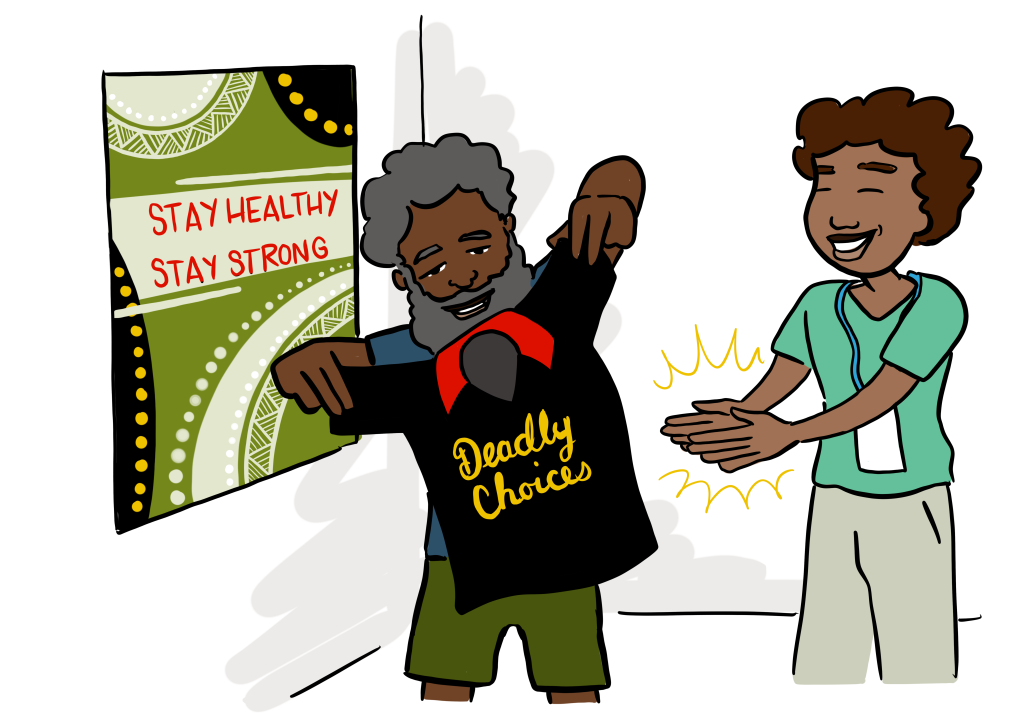
The next visit should be a planned appointment to complete a 715-health assessment.
The Nurse or AHW/AHP can also be part of completing the 715. Once completed the patient may see the nurse or AHP for any tests or follow up from the 715 that can be completed at the same appointment.
Items to bill:
Step 3
Connecting
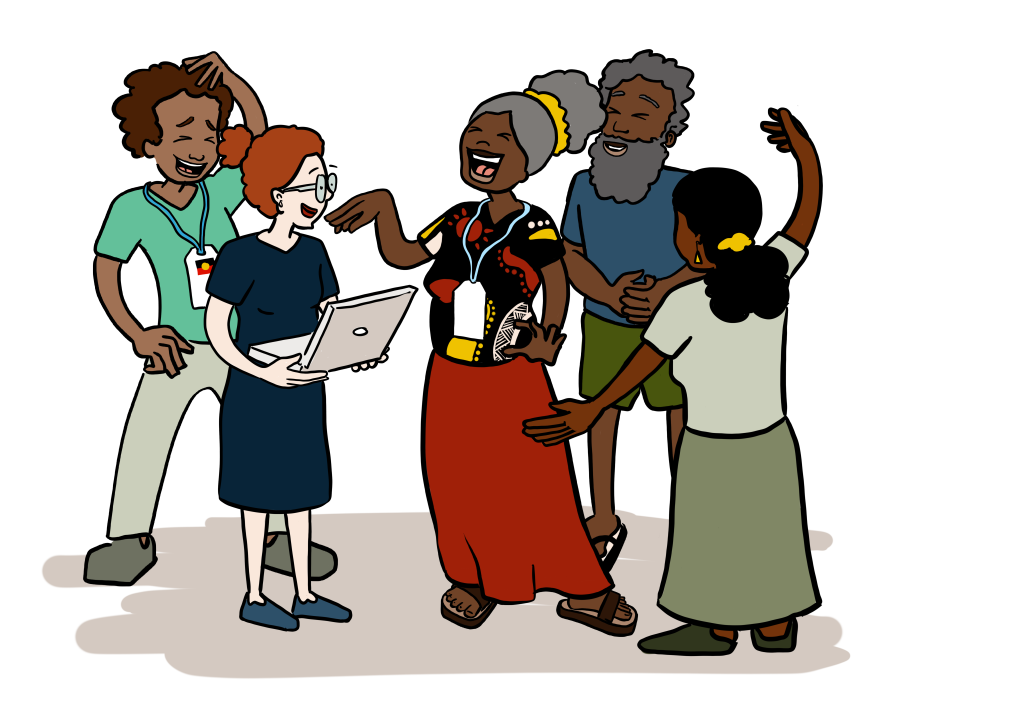
If the patient has a chronic condition you can plan for them to return for a visit to complete a GP Chronic Condition management plan (GPCCMP). This is an opportunity to write a plan on how to best manage the patient’s condition. This may include writing referrals for the patient to see Allied Health professionals to help and support them with their disease. A practice nurse or AHW/AHP may also assist in completing the plan, and this contribution is included in the total time taken to develop the plan. The patient may also see the Nurse or AHP after the plan is finalised to complete any tests or follow up that was noted within the plan.
Items to bill:
Step 4
The Right Support
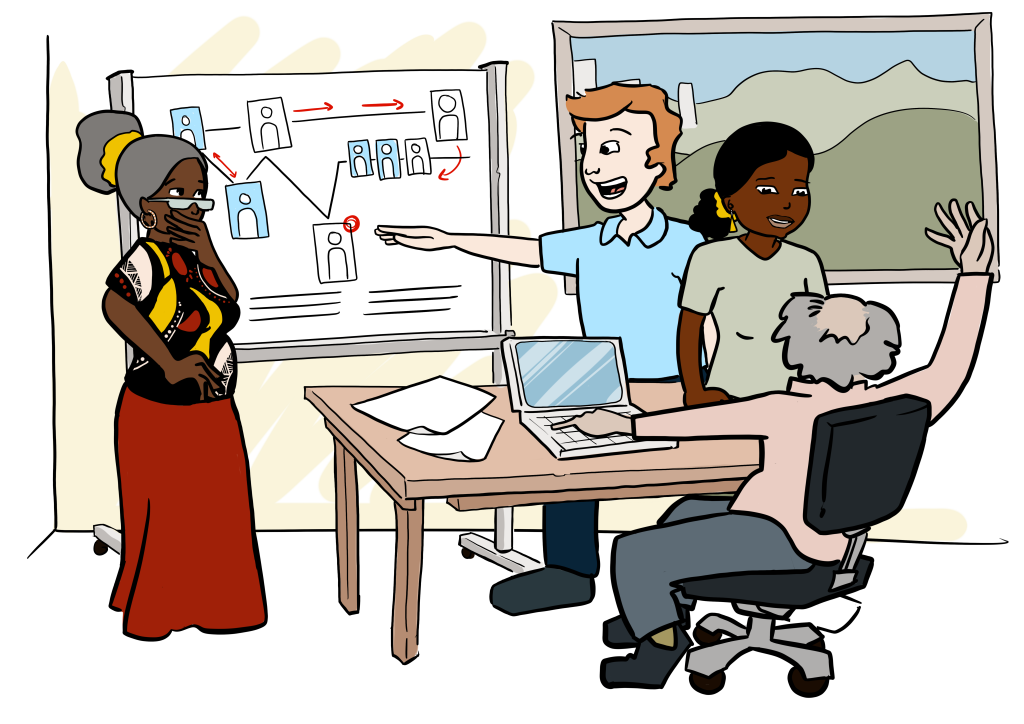
This is an opportunity for the team that are looking after a patient to come together for a case conference and discuss the patient progress. This may include any issues or non compliance and any other care required. The patient is not required to attend the case conference.
Items to bill:
Attendance by a general practitioner (not including a specialist or consultant physician), as a member of a multidisciplinary case conference team, to organise and coordinate a case conference. Lasting at least 15 minutes, but for less than 20 minutes
Attendance by a general practitioner (not including a specialist or consultant physician), as a member of a multidisciplinary case conference team, to organise and coordinate a case conference. The conference lasts for at least 20 minutes, but for less than 40 minutes.
Step 5
Follow up

This is an opportunity to bring the patient back into the practice for a follow up appointment with the practice nurse or AHP. This can be to review items from either the 715 Health Assessment or GPCCMP plans. These two items can be billed together. It can also be billed as part of a general consult if the patient also has a consult with the GP.
Items to bill:
Follow up service provided by a practice nurse or Aboriginal and Torres Strait Islander health practitioner, on behalf of a medical practitioner, for an Indigenous person who has received a health assessment.
Service provided by a practice nurse or an Aboriginal and Torres Strait Islander health practitioner, on behalf of a medical practitioner, to a person with a chronic condition.
Step 6
Screening & Referral

Once the patient has completed a 715 the GP can refer the patient to Allied Health professionals for additional services. The patient is eligible for 10 services in a calendar year. One of these referred services can be to an AHW/AHP.
Items to bill:
Aboriginal and Torres Strait Islander health and wellbeing service provided to a patient of Aboriginal or Torres Strait Islander descent by an eligible Aboriginal and Torres Strait Islander health worker or eligible Aboriginal and Torres Strait Islander health practitioner if the service is of at least 20 minutes duration.
Step 7
Understanding Medicine Plan
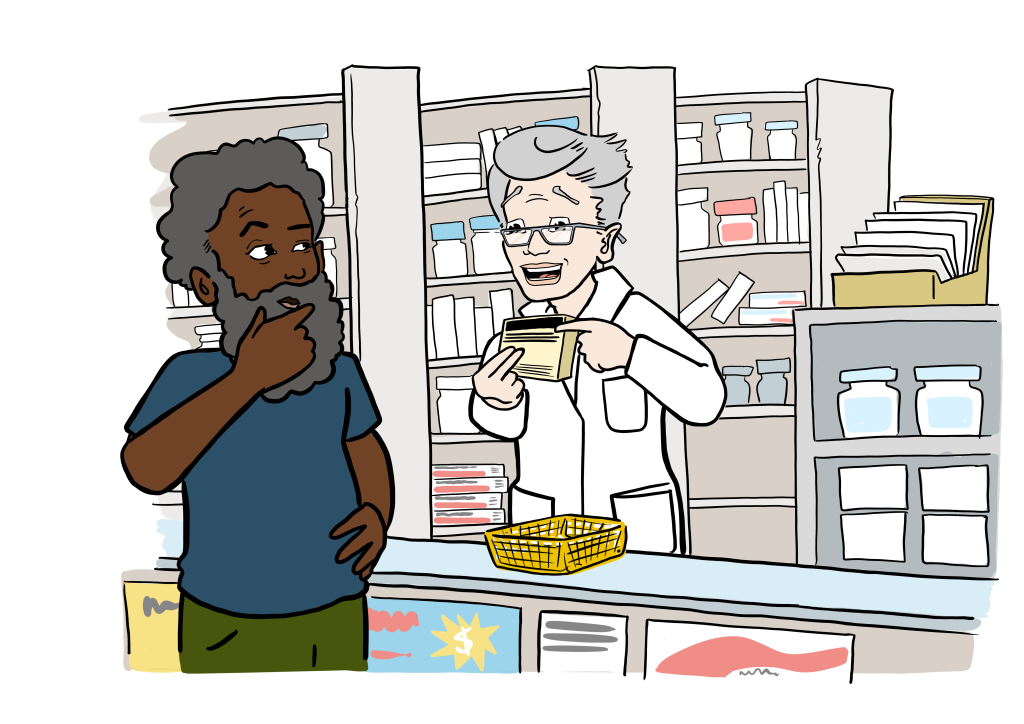
Patients can sometimes become confused with the number of medications they are prescribed and why and can often become non-compliant with these medications because they don’t understand the importance of adherence. The GP can refer the patient to a community pharmacist for a home medication review. The pharmacist reviews the medications and any other supplements in the patient’s home and then reports the findings back to the GP. Once the report from the pharmacist has been received by the GP the patient can return for a follow up appointment and the home medication review can be billed.
Item to be billed:
Participation by a general practitioner (not including a specialist or consultant physician) in a Domiciliary Medication Management Review (DMMR) for a patient living in a community setting.
Step 8
Caring for Mental Wellbeing

For patients that require services to manage their mental health, items are available for the GP to complete a Mental Health management plan. These plans can be completed over more than one visit if required. Billing these items gives the patient access to referred mental health services under the Better Access initiative. The two items listed below are only billed by a GP who has completed the mental health skills training.
Items to bill:
A visit with a GP (including a general practitioner who has undertaken mental health skills training of at least 20 minutes but less than 40 minutes in duration for the preparation of a GP mental health treatment plan for a patient.
A visit with a GP (including a general practitioner who has undertaken mental health skills training) of at least 40 minutes in duration for the preparation of a GP mental health treatment plan for a patient.
Step 9
Midwife visit

During a patient’s pregnancy the GP, AHP, nurse and midwife can be part of the team to ensure that the new mum is monitored and supported during her pregnancy.
The GP can see the patient for pregnancy related visits and bill an item for anenatal attendance. The AHP, nurse or midwife can also see the patient, either in the clinic or in their home and bill an antenatal service item up to 10 times during the pregnancy. The two items can not be billed on the same day.
Items to bill:
Step 10
Quarterly Review

For patients that have a chronic disease and have had a GPCCMP they should be returning to the practice for follow up reviews of the plan. Reviews can be completed every 3 months.
Items to bill:
Professional attendance by a general practitioner to review a GP chronic condition management plan prepared by the general practitioner.
Step 11
Follow up
This is an opportunity to bring the patient back into the practice for a follow up appointment with the practice nurse or AHP. This can be to review items from either the 715 Health Assessment or GPCCMP plans. These two items can be billed together. It can also be billed as part of a general consult if the patient also has a consult with the GP.
Items to bill:
Follow up service provided by a practice nurse or Aboriginal and Torres Strait Islander health practitioner, on behalf of a medical practitioner, for an Indigenous person who has received a health assessment.
Service provided by a practice nurse or an Aboriginal and Torres Strait Islander health practitioner, on behalf of a medical practitioner, to a person with a chronic condition.
Note; The full description for each item number has not been provided in this resource. Other items not mentioned in this resource are available in each step for other medical practitioners and for telehealth and telephone consultations. For more information and the full wording for each item number please refer to the Medicare benefit schedule, MBS Online

ACCHO locations
NACCHO oversees a network of 148 members, each running Aboriginal Community Controlled Health Organisations (ACCHOs) across urban, regional, and remote Australia. These ACCHOs range from large facilities with multiple healthcare professionals providing comprehensive services to smaller centres focused on preventive care and health education, primarily delivered by Aboriginal Health Workers and nurses.
Contact
For any inquiries or further information about the MBS team, please send them to: mbs@naccho.org.au


